
A Seasonal Home Maintenance Schedule for Zurich
Key takeaways
- A home maintenance schedule works best when split into four seasonal checklists so no task is forgotten between visits.
- Preventive checks cost far less than emergency repairs: burst frozen pipes alone averaged more than $30,000 per US insurance claim in recent data.
- Autumn is the busiest season for Zurich homes, covering gutters, heating, draught-proofing and pipe protection before the first frost.
- A simple written log of dates, parts and costs turns scattered fixes into a plan you can hand to a handyman each season.
A home maintenance schedule is simply a checklist of small jobs you repeat each season, so nothing important slips through the cracks. Split the year into spring, summer, autumn and winter, give each one a short list of indoor and outdoor tasks, and you will catch most problems while they are still cheap to fix.
This guide gives you a full seasonal schedule tailored to Zurich homes and Swiss weather. You will get task lists for all four seasons, the preventive checks that save the most money, a simple way to track repairs, and advice on when to bring in a handyman for the recurring work.
Why bother with a plan at all? Because a leaking gutter, a blocked drain or a frozen pipe rarely announces itself. It waits until the damage is done. A schedule puts you ahead of that curve.
Why Does a Home Maintenance Schedule Save You Money?
The money argument for planned upkeep is strongest in winter. In recent data from one large US insurer, average payouts for burst frozen pipes topped $30,000 per claim (State Farm, 2026). A single skipped autumn check can turn into a five-figure repair, which is the whole case for working to a schedule.
The pattern repeats across the house. A gutter clogged with leaves overflows and soaks a facade. A tiny silicone gap in a bathroom lets water creep behind tiles for months. None of these are expensive to prevent. All of them are expensive to repair once water has moved into materials it should never touch.
Planned maintenance also spreads cost. Instead of one brutal bill when something fails, you handle small jobs across the year. That is easier on a household budget and far easier on your nerves.
A widely used rule of thumb is to set aside a small percentage of your home's value each year for upkeep, with older buildings needing more. Many Zurich flats and newer builds sit at the lower end, but the habit of budgeting is what matters. For a sense of local labour rates when you do call someone in, our handyman cost guide for Zurich breaks down what common jobs tend to cost.
What Goes on Your Spring Home Maintenance Checklist?
Spring is for recovery and inspection. After months of cold, damp and road salt, you are checking what the winter did and opening the house back up. Think of it as a health check before the warm months.
Here is a practical spring list for a Zurich home:
- Inspect the roof and facade for cracks, loose tiles or render that lifted over winter.
- Clear any debris that collected in gutters and downpipes over the thaw.
- Check window and door seals for mould, gaps or perished rubber.
- Service outdoor taps and reconnect anything you shut off for winter.
- Test your garden irrigation and outdoor lighting before you need them.
- Deep clean and air out rooms that stayed shut and humid through winter.
Indoors, spring is the natural time to deal with condensation damage. Zurich winters trap a lot of moisture inside well-sealed flats, so check bathroom corners, window reveals and behind furniture on cold external walls for the first signs of black mould.
Spring is also when small cosmetic jobs stack up. Scuffed walls, hairline cracks and tired paintwork all show in bright light. If you are tackling touch-ups yourself, careful prep is what separates a clean finish from a patchy one, so fill, sand and prime before the first coat of paint.
Spring Exterior Priorities
Give the outside a slow, deliberate walk-around. Look up at the roofline, down at the foundation, and along every drainage path. Winter heave and freeze-thaw cycles love to open up small gaps in masonry and sealant. Catching them in April is a tube of filler. Catching them in October is a damp wall.
What Belongs on the Summer Task List?
Summer is your window for the bigger, drier, outdoor jobs. Warm stable weather means paint cures properly, sealants set, and you can safely get on a ladder or roof without ice or storms in the forecast.
Use the long days for these tasks:
- Repaint or re-stain exterior wood: fences, balconies, shutters and trim.
- Reseal driveways, terraces and any exposed timber decking.
- Check and repair rendering, grouting and external silicone.
- Service air conditioning or ventilation units before the peak heat.
- Trim back trees and shrubs touching the building or blocking gutters.
- Inspect the roof properly while footing is dry and safe.
Summer is also prime time for interior projects that need open windows and long drying times. Flooring, tiling and major painting all go more smoothly when you can ventilate freely and humidity is lower.
Do not let the garden crowd out the building. A hedge pressing against render traps moisture and shortens the life of the wall behind it. Branches scraping a roof lift tiles over time. Twenty minutes with secateurs now prevents a repair bill later.
A Quiet Reminder About Water
Summer storms in the Zurich region can be sudden and heavy. A blocked or poorly pitched gutter that coped all spring can overflow in a single cloudburst. If you only check gutters once a year, do it in late summer, before the autumn leaf fall adds to the load.
Why Is Autumn the Most Important Season for Zurich Homes?
Autumn carries the heaviest maintenance load of the year, because it is your last clear window before frost. Every winter failure, from a dead boiler to a burst pipe, traces back to a job that should have been done in autumn. This is the season to be thorough.
Work through this list before the first hard frost, usually from late October:
- Clean gutters and downpipes thoroughly after the main leaf fall.
- Service the heating system and have the boiler checked.
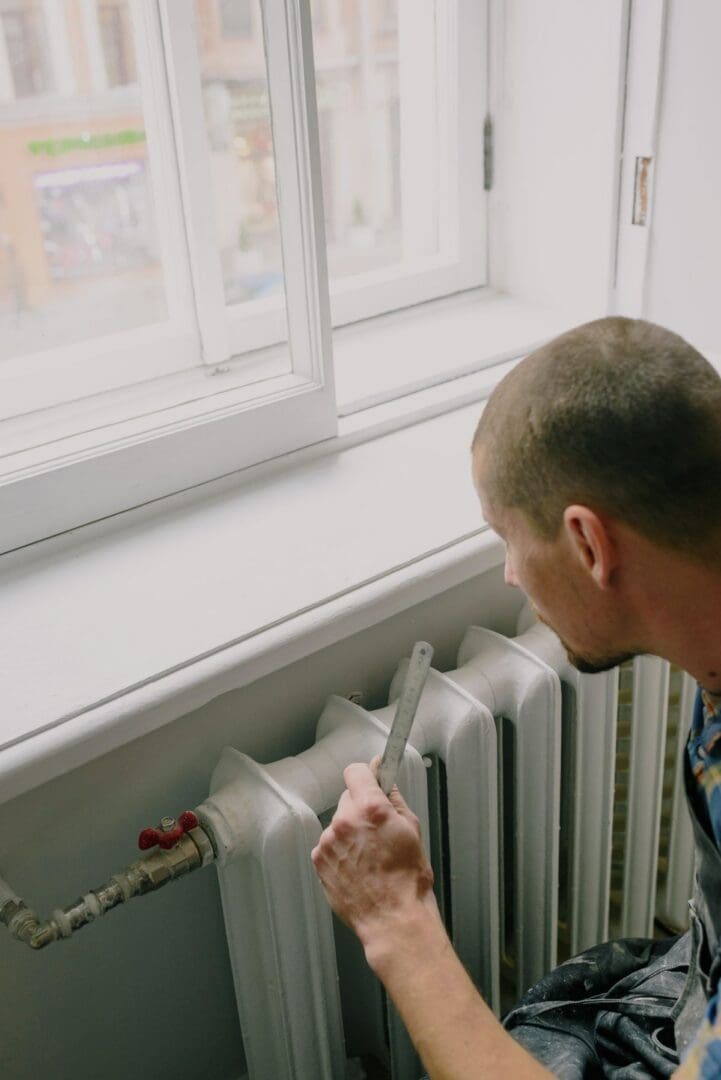
- Bleed radiators so they heat evenly through winter.
- Draught-proof windows and doors to cut heat loss.
- Insulate or drain outdoor pipes and taps against freezing.
- Test smoke detectors and replace batteries before the heating runs non-stop.
- Check loft or attic insulation is dry and in place.
Gutters top the list for a reason. Once leaves pack down and freeze, a blocked gutter sends water over the edge and down the wall, or holds ice that strains the fixings. Our autumn gutter cleaning guide walks through doing it safely, and when the pitch or height means it is a job for someone with the right ladder and harness.
Radiators are the quiet win. Trapped air stops the top of a radiator heating up, so your boiler works harder for a colder room. Bleeding them takes minutes and pays for itself in a single cold snap.
The Draught-Proofing Payoff
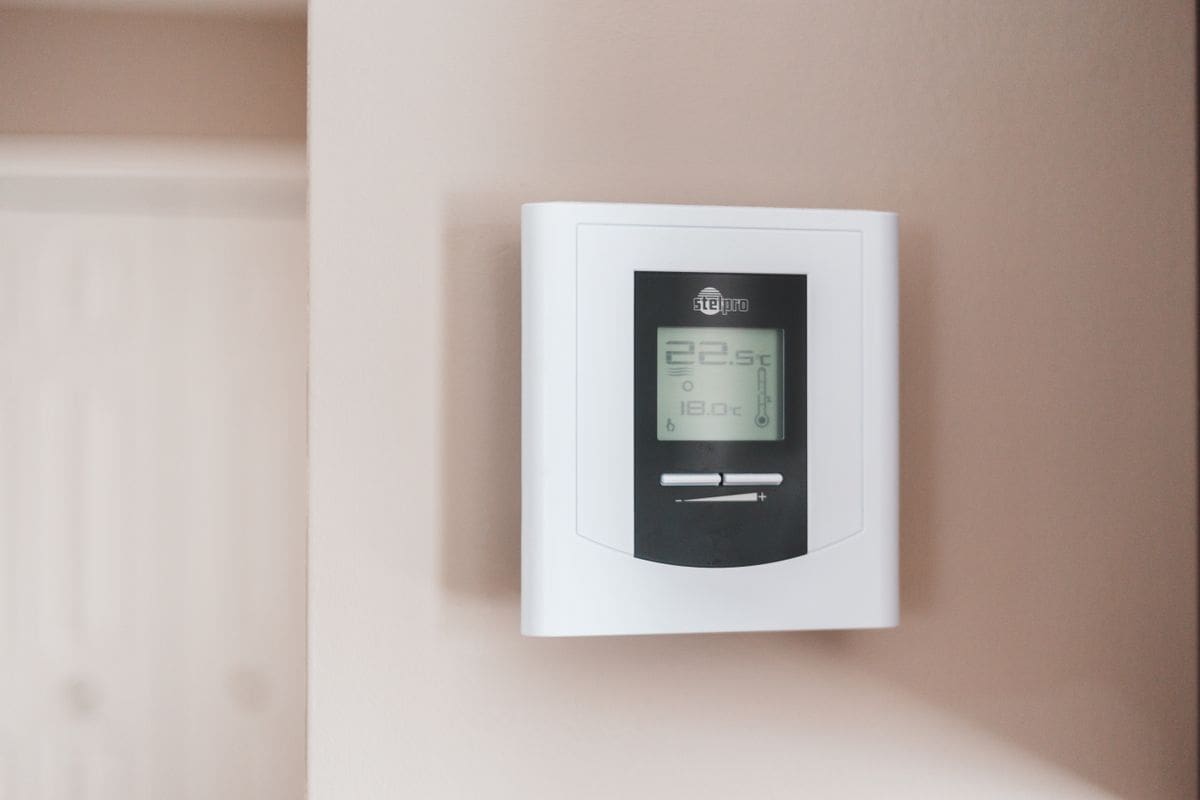
Sealing gaps around windows and doors is one of the cheapest upgrades you can make, and the energy savings are real. A US Department of Energy case study found that weatherization work, including air sealing and insulation, cut a home's monthly energy bill by about 60%, from $341 down to $130 (U.S. Department of Energy, 2024). Your Zurich flat may not see the same figure, but every sealed gap is heat you stop paying to lose.
What Should Be on the Winter Checklist?
Winter maintenance is mostly watching and reacting, because the big preventive work was done in autumn. Your job now is to keep an eye on the systems under strain and respond fast to the first sign of trouble. Cold, snow and constant heating all put the house to the test.
Through the coldest months, keep up with these:
- Watch for ice dams forming at roof edges and clear snow build-up safely.
- Keep interior temperatures steady to protect pipes on cold external walls.
- Check for condensation and ventilate daily to control indoor humidity.
- Monitor the heating system and listen for new noises or uneven warmth.
- Keep paths and entrances clear and safe after snow.
- Inspect the loft after heavy snow for any sign of leaks or stress.
Frozen pipes are the winter risk that turns a cold week into a disaster. Pipes on external walls, in unheated utility rooms and in garages are the usual casualties. Keeping a low background heat on and knowing where your main stopcock is can be the difference between a minor scare and a flooded floor.
Winter is hard on interiors too. Doors swell and stick, floors creak as timber moves with the dry heated air, and condensation feeds mould in poorly ventilated corners. Small, steady attention keeps these from becoming spring headaches.
Which Preventive Checks Save the Most Money Long Term?
The checks that save the most money are the ones that stop water and cold from reaching materials that rot, rust or crack. Water intrusion and heat loss drive the largest home repair bills, so the cheapest preventive habits target exactly those two threats.
Focus your prevention budget here first:
- Water out, not in. Clean gutters, sound downpipes, intact roof tiles and fresh exterior sealant keep water off the building. This is the single highest-value habit.
- Seal the wet rooms. Silicone around baths, showers and sinks fails silently. Fresh seals stop slow leaks that rot subfloors, so strip and replace any silicone that has darkened, lifted or split.
- Protect the pipes. Insulation and steady heat in winter prevent the burst that causes those five-figure claims.
- Keep heat in. Draught-proofing and loft insulation lower bills every single month, not just once.
- Test the safety kit. Smoke detectors and electrical checks cost almost nothing and protect what no repair can.
The common thread is that cheap, boring tasks guard against expensive, dramatic failures. A single tube of silicone versus a rotted bathroom floor is the trade you are making every time you skip a seasonal check.
There is a human cost to deferral too. Surveys of homeowners repeatedly find that a large share put off at least one maintenance job each year, and a meaningful fraction of those later face a repair that a small earlier fix would have prevented. The tasks feel optional right up until they are not.
How Do You Split Interior and Exterior Tasks by Season?
Splitting tasks by indoors and outdoors stops the schedule from feeling overwhelming. Exterior work clusters in the warmer, drier seasons, while interior work spreads across the colder months when you are inside anyway. Matching the job to the weather is what makes a schedule realistic.
A simple way to picture the year:
- Spring: Exterior inspection and cleanup; interior mould and damage checks.
- Summer: Heavy exterior jobs (paint, seal, roof); interior renovation projects.
- Autumn: Exterior weatherproofing (gutters, pipes); interior heating prep.
- Winter: Exterior monitoring (snow, ice); interior comfort and humidity control.
Notice how the outdoor workload is front-loaded into summer and autumn. That is deliberate. You do not want to be sealing a terrace in November rain or climbing to a gutter in January ice. Push ladder work, paintwork and anything weather-dependent into the warm, stable months.
Interior tasks are more forgiving on timing, so use them to fill the quieter seasons. A sticking door, a squeaky floor or a wobbly shelf can wait for a wet winter afternoon. These small fixes rarely need more than a screwdriver and some lubricant, which makes them satisfying rainy-day projects.
Flats Versus Houses in Zurich
If you rent or own a flat, your personal list is shorter. Roof, facade, gutters and heating plant usually fall to the building management or landlord. Your focus shifts to interior tasks: sealing, draughts around your own windows, condensation control and anything inside your four walls. Always check your rental agreement before assuming a task is yours to do or to pay for.
What Monthly Checks Sit Between the Seasonal Lists?
A few jobs are too important to wait for a seasonal sweep, so they belong on a short monthly list of their own. These are quick, safety-related and easy to forget precisely because they are quick. Five minutes on the first of the month covers most of them.
Keep this running monthly:
- Press the test button on every smoke detector and note any slow or chirping unit.
- Look under sinks and around the boiler for the first bead of a leak.
- Check the water pressure gauge on a combi boiler and top up if it has dropped.
- Run water down any rarely used drain to keep the trap full and odours out.
- Glance at the fuse board or consumer unit for any tripped switch you missed.
Monthly checks catch the slow failures that seasonal lists are too far apart to spot. A dripping valve found in week one is a wiped surface. The same drip found three months later has swollen a cabinet base and stained the floor. The point of the monthly layer is speed, not depth.
Smoke detectors deserve special mention. Swiss homes rely on them just as heavily as any other, and a flat battery is the most common reason an alarm fails when it matters. Testing monthly and swapping batteries at the first chirp is a two-minute habit that protects everything else on your schedule.
When the Usual Advice Does Not Fit
Older Zurich buildings throw curveballs the standard checklist misses. Heritage windows may not take modern draught strips without damaging the frame. Shared roofs and courtyards in an apartment block mean some tasks are the building's job, not yours. Single-glazed or listed properties need gentler products and, often, a tradesperson who knows local conservation rules. When a standard fix feels wrong for your building, that hesitation is worth trusting; ask before you drill, strip or seal.
How Do You Track Repairs So Nothing Gets Missed?
The best tracking system is the one you will actually keep, which usually means a single simple log rather than a clever app. Write down what you did, when, what it cost and what to watch next. That record turns four scattered seasons into one connected plan.
A workable log captures, for each job:
- The date and the season.
- What was done and where in the house.
- Any parts used, with sizes or model numbers.
- What it cost, including labour if you hired help.
- A note of anything you spotted but deferred.
That deferred-items note is the quiet hero of the whole system. The hairline crack you saw in spring, the gutter bracket that looked loose in autumn: written down, they surface again next season instead of being forgotten until they fail.
Keep it wherever you will look: a notebook in a kitchen drawer, a shared note on your phone, or a spreadsheet. Model numbers and filter sizes are worth photographing, because hunting for them again every year is a needless chore. A tidy log also makes life easier if you sell, giving a buyer real proof the home was cared for.
If you are building up the gear to do more yourself, pair your log with a solid basic kit: a cordless drill, a decent screwdriver set, a spirit level, a radiator key and a caulking gun will cover most seasonal jobs quicker and more safely.
How Can a Handyman Handle Recurring Seasonal Upkeep?
A handyman handles recurring upkeep by taking your seasonal checklist off your plate, turning it into scheduled visits where they work through the jobs, flag early problems and handle anything that needs a ladder, tools or local know-how. For many households this is the difference between a schedule that exists on paper and one that actually happens.
Recurring seasonal visits make sense when:
- The job needs height or equipment you would rather not handle, like roof-edge gutters.
- You own or manage several units and want one reliable point of contact.
- Time is tight and the list keeps slipping to next weekend.
- You want a trained eye to catch small issues before they grow.
This is exactly the kind of work Homeexpert2u takes on for homes and businesses around Zurich. A seasonal visit might cover gutter clearing, radiator bleeding, draught-proofing, resealing a tired bathroom and a general safety once-over, all in one booking, with knowledge of local Swiss building standards built in.
Landlords and property managers get the most from recurring upkeep. One schedule across several flats means fewer tenant emergencies, cleaner handovers and a documented maintenance history for each unit. The same logic helps busy households and anyone who would rather not spend a Saturday on a ladder.
If you want help choosing someone you can rely on season after season, our guide on how to choose a reliable handyman you can trust covers the questions worth asking before you book.
Putting Your Zurich Maintenance Schedule Into Action
Start with the next season on the calendar rather than trying to plan the whole year at once. With autumn upon us, your first move is the autumn list: book a heating service, clear the gutters, bleed the radiators and draught-proof before the first frost. Get those four done and you have already removed the biggest winter risks.
Then keep a simple log, add the following season when it arrives, and let the schedule build itself over the year. If any job needs a ladder, a tool you do not own, or an hour you do not have, that is the moment to get in touch with Homeexpert2u. We will work through your seasonal checklist so your Zurich home stays sound, warm and safe, whatever the weather brings.
Frequently asked questions
How often should I do home maintenance?
Run through a short checklist once each season, so four times a year. Add a quick monthly look at smoke detectors and any leaks. Seasonal timing matches the jobs to the weather, which is why most schedules are built around spring, summer, autumn and winter.
How much should I budget for home maintenance each year?
A common guideline is to set aside a small percentage of your home's value per year, with older homes needing more. Flats and newer builds usually sit at the lower end. Keeping a log of what you spend each season makes the next year's budget far easier to plan.
Which season has the most urgent home maintenance tasks in Zurich?
Autumn. It is your last clear window before frost to clean gutters, service heating, bleed radiators, draught-proof windows and protect outdoor pipes. Skipping autumn jobs is the most common cause of expensive winter emergencies in Swiss homes.
Can a handyman handle recurring seasonal maintenance?
Yes. Many handyman services offer recurring seasonal visits where they work through your checklist, flag small problems early and handle jobs that need a ladder or tools. This is popular with landlords, busy households and anyone who prefers not to climb roofs.