
Home Repairs in Zurich: A Quick Troubleshooting Guide
Key takeaways
- Many everyday faults, like a dripping tap washer, a loose handle or a squeaky hinge, are safe to fix yourself with basic tools.
- Under Swiss tenancy practice, tenants usually cover small repairs with material costs up to roughly CHF 150; bigger or specialist jobs fall to the landlord.
- Stop fixing and call a professional the moment a job touches fixed wiring, gas, structural parts, or water you cannot shut off.
- Catching early signs, a faint musty smell, a slow drain, a hairline crack, keeps a cheap repair from turning into an expensive one.
- Switzerland has Europe's lowest rate of damp and mould problems, but Zurich's older flats still need watching through damp winters.
Most home repairs in Zurich fall into two simple buckets: the quick fixes you can safely handle with a screwdriver and ten minutes, and the jobs where stopping to call a professional saves you money, mess and risk. Knowing which bucket a problem belongs in is the whole game, and this guide walks you through it fault by fault.
We will cover the easy fixes worth trying yourself, the early warning signs that turn a cheap repair into an expensive one, a plain checklist for the usual household faults, and the moment a small job stops being a DIY job. We also explain who actually pays for repairs in a Swiss rental, because that catches a lot of tenants and landlords by surprise. The aim is honest, practical help, not a sales pitch.
Everyday Home Repairs in Zurich You Can Handle Yourself
A surprising share of household faults need nothing more than a basic toolkit and a little patience. If you own a screwdriver set, an adjustable spanner, a few spare washers and some sandpaper, you are equipped for most of the small stuff.
Here are the jobs that are genuinely safe to try at home:
- A dripping tap. Nine times out of ten it is a worn rubber washer or cartridge. Turn off the supply under the sink, unscrew the tap head, swap the washer, reassemble. Zurich's hard water does wear these out faster than in softer regions.
- A loose cupboard or door handle. Tighten the screws, and if the hole has stripped, push a wooden matchstick or two into it with a dab of wood glue before refitting.
- A squeaky or stiff hinge. A drop of oil or a smear of petroleum jelly on the pin usually silences it. If the door still sticks, the cause is often swelling from damp rather than the hinge.
- A blocked drain. A plunger and a drain snake clear most kitchen and bathroom blockages. Skip the harsh chemicals, which damage older Swiss pipework and your skin. A kettle of hot (not boiling) water, a spoon of bicarbonate and a splash of vinegar clears a lot of grease blockages for free.
- Filling small wall holes. A tube of filler, a putty knife and a light sand leaves a smooth surface ready for touch-up paint.
- Replacing a light bulb or fuse. Replacing a bulb in an existing fitting is fine. Opening up the fitting or touching the wiring behind it is not, and we come back to that line later.
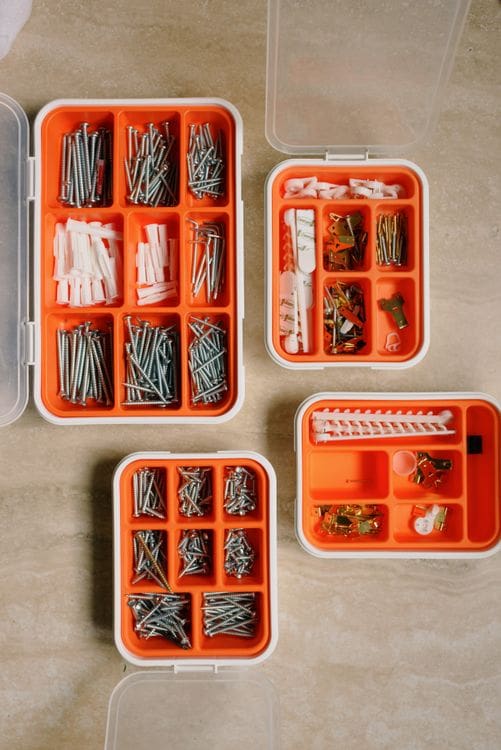
The common thread is that these jobs are reversible and low-risk. If you get it wrong, the worst case is a slightly wonky handle, not a flood or a shock. Start with those before reaching for the phone.
Spotting Problems Before They Get Worse
The cheapest repair is the one you catch early. Most expensive home disasters start as a small, quiet signal that someone ignored for weeks. Learning to read those signals is worth more than any tool in your box.
Train yourself to notice the following:
- Smell. A faint musty or earthy smell in a room, cupboard or along a skirting board is the classic early sign of hidden damp. It often arrives long before you see any stain.
- Sound. A tap that hammers when you shut it, a toilet that keeps running, or a radiator that gurgles all point to small faults that get worse and waste water or heat.
- Sight. A hairline crack above a door frame, a patch of peeling paint, a rust-coloured ring under a radiator valve, or grout turning dark in the shower corner are all early tells.
- Touch. A cold, slightly damp wall, a floorboard that gives a little underfoot, or a window frame that feels soft to a fingernail test all warn of trouble underneath.
Damp is the one worth watching most closely in Zurich. Switzerland actually records the lowest rate of damp and mould problems in Europe, with 6.3 percent of the population living in a dwelling with a leaking roof, damp walls or floors, or rot in the window frames, according to European Environment Agency data. That is good news, but older Zurich flats with single glazing and tight winter sealing still produce plenty of condensation. The fix is often simple ventilation rather than a builder, and our piece on how to tackle damp and mould in your home explains the daily airing habit that prevents most of it.
A Simple Checklist for Common Household Issues
When something goes wrong, work through a short mental checklist before you decide what to do. It saves panic and often solves the problem in two minutes. Here is the one we use, grouped by the room where faults usually appear.
Kitchen
- Tap dripping: check and replace the washer or cartridge.
- Slow sink drain: plunge first, then use a drain snake.
- Cupboard door hanging crooked: adjust the hinge screws, which most flat-pack hinges allow in three directions.
- Loose worktop edge or trim: re-glue and clamp overnight.
- Appliance not draining or heating: check the filter and the fuse before assuming the worst.
Bathroom
- Grout gone dark or crumbly: rake it out and re-grout a small area yourself.
- Silicone around the bath peeling: strip it and reapply a mould-resistant sealant.
- Toilet running constantly: adjust or replace the fill valve, a cheap part.
- Extractor fan noisy or weak: clean the dust from the blades first.
Doors and windows
- Door sticking: check for damp swelling before planing anything.
- Lock stiff: a puff of graphite or a dry lubricant usually frees it. Avoid oil, which gums up with dust inside the barrel.
- Draught around a window: replace the self-adhesive seal strip.
Walls and general
- Small holes or dents: fill, sand, touch up.
- Hairline crack that is not growing: fill and monitor.
- Crack that is widening or stepped: stop and get it looked at, as that can be structural.
If a fault survives this checklist, or sits outside it, that is your cue to move to the next section and judge whether a professional is needed.
When a Small Repair Really Needs a Pro
The honest answer most of the time is that you can do more than you think. But there are firm lines where DIY stops being thrift and starts being a hazard. Cross any of these and the job belongs to a qualified tradesperson, full stop.
Call a professional when the repair involves:
- Fixed electrical wiring. In Switzerland, work on the permanent electrical installation is tightly regulated. Changing a plug-in bulb is fine. Replacing a light fitting, moving a socket or touching the wiring behind the wall is not a DIY job, and insurers may refuse a claim if unqualified work causes a fire. See our guide on lamp and light fixture installation in Zurich for where the line sits.
- Gas. Any smell of gas or any work on a gas appliance means hands off and call out a registered specialist.
- Water you cannot isolate. If you cannot find or close the shut-off valve, do not start taking things apart. A burst you cannot stop turns a CHF 50 repair into a flooded flat below you.
- Structure. Load-bearing walls, floor joists and anything holding the building up are never a weekend project.
- A fault that keeps returning. If the same drain blocks every month or the same patch of paint keeps bubbling, you are treating a symptom. The real cause needs a trained eye.
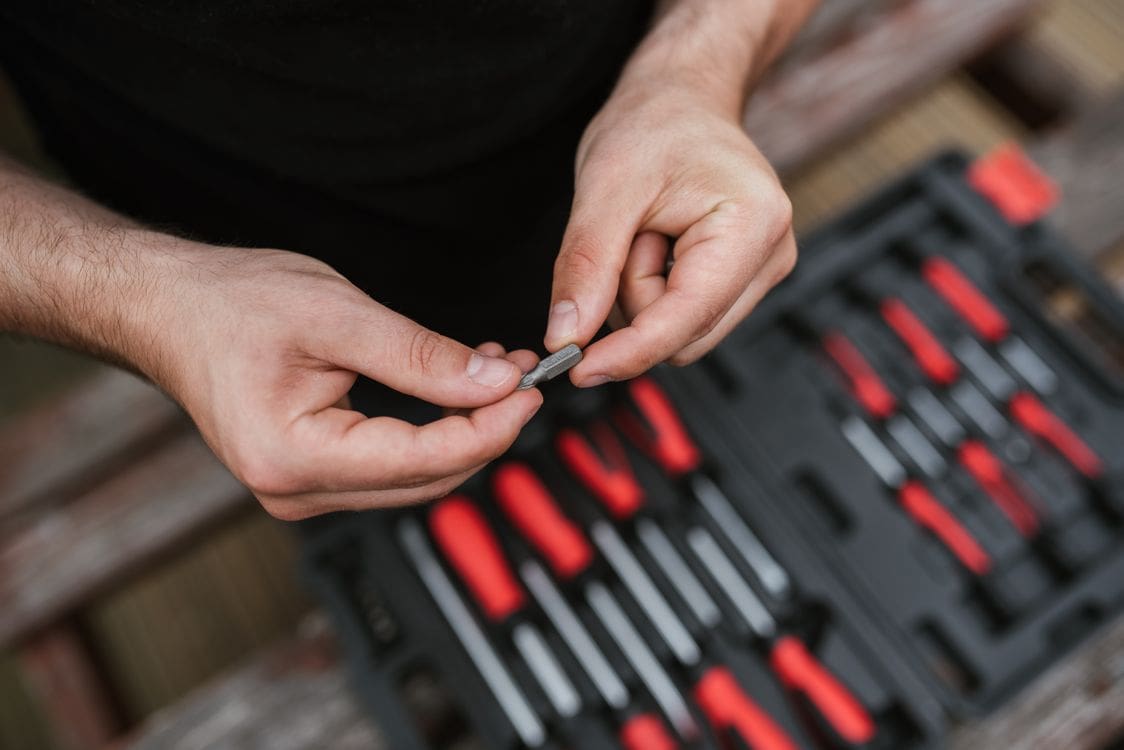
There is also a simpler test: time and tools. If a job needs special equipment you would buy once and never use again, or it would swallow a whole weekend you do not have, a professional is usually the cheaper choice once you count your own hours. That is often the case with large flat-pack furniture, where one person and the wrong hex key turns a quick job into a long afternoon.
Keeping an Eye on Swiss Rental Repair Responsibilities
Here is where a lot of Zurich households lose money or patience: not knowing who is supposed to pay. Swiss tenancy law draws a clear line, and understanding it saves arguments with your landlord and unnecessary bills.
The principle is called kleiner Unterhalt, or minor maintenance. Under the Swiss Code of Obligations, a tenant is responsible for small repairs they can carry out themselves with normal manual skill. In practice, the widely used guideline is that if the material cost stays up to roughly CHF 150, the tenant pays, according to the Swiss Tenants' Association. Beyond that, or where specialist knowledge is required, the landlord is responsible.
What that means in plain terms:
Usually the tenant's job:
- Replacing a tap washer or shower head.
- Changing light bulbs and simple seals.
- Lubricating a stiff hinge or lock.
- Clearing a blocked drain stopper.
- Replacing filters.
Usually the landlord's job:
- Repairs needing a qualified tradesperson or professional tools.
- Faults in the fixed installation, such as heating, the boiler or built-in appliances.
- Main drainage and structural problems.
- Anything well above the small-cost threshold.
One important nuance: Swiss practice has been moving toward a skill-based test, not just a cost one. If a repair genuinely requires specialist knowledge, it is the landlord's responsibility even if the parts are cheap. So a CHF 40 part that needs a certified electrician to fit is still the landlord's call.
A few practical tips for tenants:
- Report defects promptly and in writing. If you ignore a leak and the damage spreads, you can be held partly liable.
- Do not attempt a repair that is clearly the landlord's. You could void a warranty or take on costs you did not need to.
- Keep the handover protocol. The condition report you signed on moving in decides a lot of disputes.
Landlords and property managers running several units face the same rules at scale. Keeping a reliable handyman on call for the small, fast jobs keeps tenants happy and prevents minor faults from escalating, which is the thinking behind our guide to handyman help for landlords and rental properties.
Building a Simple Maintenance Habit
Troubleshooting is reactive. A light maintenance habit is what stops the faults appearing in the first place, and it suits the Swiss seasons well.
Twice a year, ideally spring and autumn, walk through your home with a notepad and check:
- Seals around baths, basins and windows for gaps or mould.
- Drains for early signs of slowing.
- Window and door seals before the cold sets in.
- Radiators, which often need bleeding before the heating season.
- Smoke detector batteries.
- Any small cracks you noted last time, to see whether they have moved.
Winter is the pressure test for Zurich flats. Cold outer walls, warm moist indoor air and closed windows are the exact recipe for condensation and mould. A ten-minute cross-draught each morning, opening windows wide rather than tilting them, clears the overnight moisture far better than leaving a window on the latch all day. It also costs less heat.
Fixing the small stuff on a schedule is far cheaper than fixing the big stuff in a hurry. A seal replaced for a few francs prevents a damp patch that would otherwise need a plasterer and a painter later on.
Knowing the Difference Between Cosmetic and Urgent
Not every fault needs attention this week, and treating everything as urgent wastes money. It helps to sort problems into three honest tiers.
Cosmetic, fix when convenient:
- A small chip in the paint.
- A squeaky hinge.
- A slightly loose handle.
- A hairline crack that has not moved in months.
Worth sorting soon, before it grows:
- A slow drain.
- A tap that drips steadily.
- Grout starting to crumble in a wet area.
- A window seal letting a draught through.
Deal with now:
- Any active water leak you cannot fully stop.
- A burning smell or warm socket.
- A gas smell.
- A sudden crack that is widening.
- A ceiling stain that is spreading.
The middle tier is where most people slip. Those jobs feel minor, so they drift, and a drifting leak or crumbling seal is exactly what lets water get behind a surface. If a problem is in the middle tier and you keep forgetting it, that is a good moment to book a handyman to clear a batch of them in one visit.
The Basic Kit That Covers Most Zurich Repairs
You do not need a workshop to handle the jobs in this guide. A compact, well-chosen kit kept in a drawer deals with the vast majority of household faults, and it fits the smaller storage of a typical Zurich flat.
The short list worth owning:
- A screwdriver set with both Phillips and flathead, plus a small set of hex keys for flat-pack furniture.
- An adjustable spanner and a pair of pliers.
- A cordless drill with a basic bit set, which doubles for drilling and driving screws.
- A spirit level, even a short one, for hanging anything straight.
- A utility knife and a tape measure.
- A plunger and a drain snake for blockages.
- Consumables: assorted screws and wall plugs, PTFE tape for plumbing threads, wood filler, a tube of mould-resistant silicone, sandpaper and a small tin of touch-up filler.
A word on drilling into Zurich walls. Many older buildings have solid masonry or concrete walls rather than plasterboard, so a standard wood or metal bit will not get far. You need a masonry bit and, ideally, a hammer-action setting on the drill. Always check for hidden pipes and cables before drilling, using a cheap detector, because a nicked water pipe behind the plaster turns a picture hook into a flooded wall.
Renters have one more thing to weigh: holes. Swiss handover protocols can be strict about the state you return a flat in, and a wall peppered with large anchor holes can cost you at move-out. For heavy items, it is often worth having them mounted properly once, correctly spaced, rather than drilling, failing and re-drilling several times.
What Common Repairs Tend to Cost
Knowing rough costs helps you decide whether a job is worth your time or worth a call. Prices vary with the property and the tradesperson, so treat these as orientation rather than quotes.
The cheap end, which is firmly DIY territory, covers the consumables: a tap washer, a tube of silicone or a seal strip each costs only a few francs. The value of doing these yourself is almost entirely your time.
The middle band is where the decision gets interesting. A job that would cost you a short call-out but needs skill or a specific tool, such as bleeding a stubborn heating system, refitting a light fixture or re-sealing a bath properly, is often worth paying for because a botched attempt costs more to put right than doing it once.
The expensive end is anything involving water damage that has already spread, electrical faults, or structural movement. This is exactly why catching problems early matters so much. A seal left to fail lets water behind the tiles, and what began as a few francs of silicone becomes a repair to the substrate, the tiling and the ceiling of the flat below. Water damage is consistently among the most costly and common household claims, so the discipline of acting on the first drip pays for itself many times over.
If you are weighing up a bigger project rather than a single fault, a handyman can also advise on sequencing, so you are not, for example, painting a room before the damp behind the wall has been dealt with.
Getting Repairs Handled Fast
If you have worked through the checks above and a job lands in the professional column, the practical next step is simple: get it fixed before a small fault becomes a big one. That is exactly what Homeexpert2u does across the Zurich area, from the quick fixes to flooring, carpentry, painting and full refurbishments, with knowledge of local building standards and Swiss rental rules.
Whether you are a homeowner who would rather spend the weekend doing anything else, a tenant staring at a fault you are not sure you should touch, or a property manager juggling several flats, a reliable local tradesperson takes the guesswork out of it. Note down what is wrong, snap a quick photo, and get in touch. Sorting the small things promptly is the cheapest home insurance there is.
Frequently asked questions
Who pays for small repairs in a Zurich rental flat?
Tenants in Switzerland usually cover minor maintenance they can do themselves with material costs up to around CHF 150, such as replacing a tap washer or a light bulb. Anything needing a specialist or professional tools is the landlord's responsibility.
When should I stop a DIY repair and call a handyman?
Call a professional whenever the job involves fixed electrical wiring, gas, load-bearing structure, or water you cannot isolate at a valve. Also call one when a fault keeps coming back after you fix it, since that usually points to a deeper cause.
How do I spot a small home problem before it gets expensive?
Use your senses regularly. A musty smell hints at hidden damp, a slow drain warns of a building blockage, and a door that suddenly sticks can signal moisture or movement. Acting on the first sign keeps repairs cheap.
Are damp and mould common in Zurich homes?
Switzerland has the lowest rate of damp housing in Europe, so widespread mould is uncommon. Still, older Zurich flats with single glazing or poor ventilation can develop condensation and mould in winter if rooms are not aired properly.