
Handyman Help for Landlords and Rental Properties
Key takeaways
- A reliable handyman for landlords keeps good tenants in place, and in Zurich's tight rental market a kept tenant is worth far more than a saved repair bill.
- Bundling several small jobs into one scheduled visit cuts call-out costs and limits how often you disturb a tenant.
- Smoke alarms, electrical safety and secure locks are non-negotiable between tenancies, not optional extras.
- Between-tenancy turnarounds are the cheapest time to fix flooring, paint and seals before a new lease starts.
If you own or manage rental property around Zurich, a reliable handyman for landlords is the difference between a tenant who renews quietly and one who leaves with a complaint. Small faults handled fast, turnarounds done cleanly between lets, and safety duties kept up to date are what protect both your rental income and your reputation.
This guide is written for landlords who already know the basics and want a dependable way to get the work done. We will walk through the fixes that keep tenants happy, the maintenance that belongs between tenancies, the safety obligations you cannot skip, and the smart way to group small jobs so you spend less on call-outs. A handyman for landlords is less about any single repair and more about a steady partner who keeps a portfolio running.
Why Responsive Repairs Protect Your Rental Income
Fast repairs are the cheapest form of tenant retention you can buy. A vacant unit costs landlords an estimated $1,795 per month per empty unit (Baselane, Tenant Turnover Statistics, citing iPropertyManagement, 2024). A few quick fixes a year cost a fraction of one empty month, which makes responsiveness an easy decision.
Margins are already thin. According to the National Apartment Association's 2026 Dollar of Rent analysis, 89 cents of every rent franc equivalent goes to mortgage, operating costs, taxes, payroll and reserves, leaving owners roughly 11 cents on average (Baselane, 2026). With that little headroom, a drawn-out vacancy or an avoidable escalation hurts.
Costs are also climbing. The same source notes that 82% of landlords saw ownership costs rise in 2024, with 26% reporting increases above 20% (Baselane, 2024). When every line item is going up, keeping a paying tenant in place is the lever you still control.
The practical takeaway is simple. Treat repair requests as retention events, not nuisances. A tenant who sees a loose handle fixed within days is a tenant who renews without a second thought.

Fast Fixes That Keep Tenants Happy
Most tenant complaints are small, and most can be solved in a single short visit. The faults that generate the loudest grumbling are rarely expensive. They are the sticking door, the dripping tap, the light that will not come on, the shelf that pulled out of the wall. Handle these quickly and you remove the daily friction that pushes a tenant to look elsewhere.
Here are the everyday jobs worth clearing fast:
- Sticking locks and loose door handles that make coming home a chore
- Dripping taps and slow drains in kitchens and bathrooms
- Blown light fittings and awkward lamp replacements
- Loose or wobbly shelving, rails and cupboard doors
- Cracked silicone around baths and sinks letting water behind tiles
- Squeaky floorboards and doors that nag at a tenant every day
Several of these a tenant can tackle alone, and it helps to say so politely. A sticking lock often just needs cleaning and lubricant. But when a fault keeps coming back, or a tenant simply cannot manage it, a quick professional visit ends the complaint for good.
Speed matters more than perfection here. A tenant rarely expects a same-hour miracle. They want to know someone is coming and when. A clear answer, a booked slot and a tidy finish do more for goodwill than any rent discount.
Knowing Who Is Responsible for What
Clear responsibility lines prevent most repair disputes before they start. Under Swiss tenancy law, the landlord keeps the property in a condition fit for its agreed use, while the tenant covers minor everyday maintenance up to a small value per item. The general framework sits in the Swiss Code of Obligations on the lease of immovable property.
In plain terms, the split usually looks like this:
- Tenant: small consumables and minor upkeep, such as replacing a bulb, descaling a tap aerator or refixing a loose cupboard hinge
- Landlord: anything structural, anything safety related, and any fault beyond ordinary wear and tear
- Shared grey area: appliances, seals and fittings that wear out over a normal tenancy, where age and cause decide who pays
The honest approach serves you best. If a tenant reports a genuine fault that sits on your side of the line, fixing it fast is both your legal duty and your cheapest retention tool. If it is clearly tenant-caused damage, document it with a photo and a dated note before arranging the repair. A handyman who records the condition of the work helps you keep that paper trail clean.
When you are unsure where a job falls, lean toward fixing it and settling the cost question afterwards. A property left to deteriorate because two parties argued over a hinge almost always ends up costing more than the hinge.
Routine Maintenance Between Tenancies
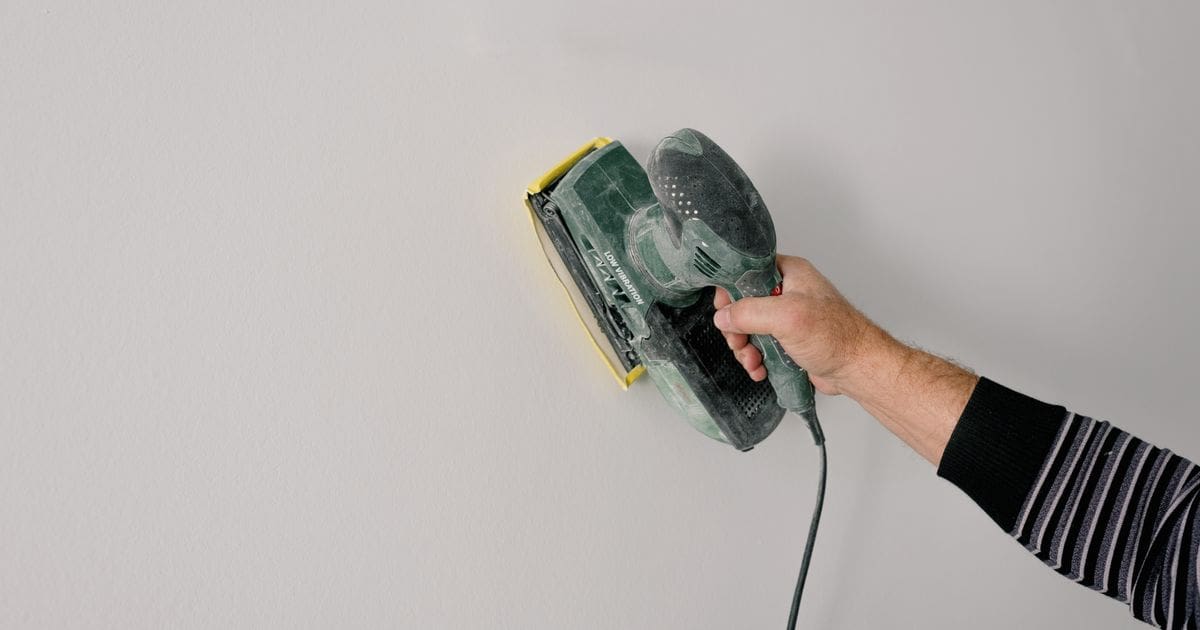
The gap between tenants is the cheapest and easiest window for repairs. With the unit empty, work that would disturb a tenant becomes straightforward, and you avoid the awkward dance of booking access around someone's work schedule. This is when flooring, paint and seals should be refreshed, because doing them now prevents a cascade of small complaints during the next lease.
A sensible between-tenancy checklist covers:
- Patch and repaint scuffed walls so the next viewing shows well, as set out in our guide on patching and painting a wall like a pro
- Reseal bathroom and kitchen silicone before mould and water damage set in
- Check and repair flooring: lifting vinyl edges, loose parquet boards, cracked tiles
- Service doors and windows so they close cleanly and draught-proof where needed
- Tighten every loose fitting, from curtain rails to kitchen handles
Timing this well pays off in a market this tight. The national vacancy rate fell to 1.0% as of June 2025, its lowest in over a decade, with rental apartments sitting around 1.4% and the canton of Zurich near 0.48% (SWI swissinfo.ch, reporting Federal Statistical Office data, 2025). A clean, well-finished flat lets in a tight market, but a tired one with visible snags gives a prospective tenant a reason to haggle or walk.
Between-tenancy work also lets you plan ahead rather than react. A seasonal rhythm helps: time the jobs to the local climate, from gutters in autumn to pipe protection before winter. Catching a worn seal or a tired floor during a void beats discovering it through a mid-tenancy complaint.
Meeting Safety Obligations for Rentals
Safety work is the one area where speed and thoroughness are not optional. A landlord's duty to provide a fit and habitable property means the basics of fire, electrical and lock safety must be kept current, not deferred until something fails. This is where a reactive patch-up mindset becomes a liability.
Focus your safety upkeep on three pillars:
- Smoke detection: working alarms, tested regularly, batteries replaced on schedule. Our guide to smoke detector maintenance covers the simple routine that keeps them reliable.
- Electrical safety: no damaged sockets, no loose fittings, no overloaded or exposed wiring. A quick walk-through flags most hazards early.
- Secure entry: locks that work, doors that close and latch, windows that fasten properly.
Smoke alarms deserve particular attention because they are the highest-return safety item in any rental. A working alarm is one of the cheapest devices in the building and one of the few that can prevent a fatality outright, which is why checking it belongs at the top of every turnaround. Test it, log the date, and replace batteries on a fixed schedule rather than waiting for the warning chirp.
Electrical faults in particular should never be left to a well-meaning tenant. Swapping a simple lamp is one thing, but anything behind the faceplate needs a competent hand and, where regulated work is involved, a qualified electrician. A handyman who knows the limit of what is safe to touch, and says so, is worth more than one who improvises.

Handling Multiple Small Jobs in One Visit
Bundling small jobs into a single visit is the simplest way to cut your maintenance spend. Every separate call-out carries fixed costs: travel, setup, and the minimum time a tradesperson needs on site. Spread that overhead across six jobs instead of one and the cost per task falls sharply, while the tenant is disturbed once rather than six times.
A practical way to work is to keep a running snag list for each unit. When three or four items accumulate, book one visit to clear them all. A typical bundled visit might include:
- Rehanging a sticking door and oiling two squeaky hinges
- Resealing the bathroom and refixing a loose towel rail
- Mounting a shelf and assembling a flat-pack wardrobe for an incoming tenant
- Replacing two light fittings and a cracked socket cover
That last point matters when a new tenant moves in. Move-in days often pile up assembly and mounting tasks at once, from wardrobes to wall-mounted TVs. These jobs go faster and safer with the right fixings, especially on the concrete and masonry walls common in Zurich apartment blocks.
There is a scheduling benefit too. One booked visit is one access arrangement, one message to the tenant, one window to coordinate. For a landlord juggling several units, that reduction in admin is often worth as much as the money saved on call-out fees. Fewer touchpoints means fewer things to chase and forget.
Bundling does have a limit. Genuine emergencies, a failed lock on the only door or a leak soaking a ceiling, cannot wait for the list to fill up. The skill is sorting the urgent from the routine, fixing the first at once and batching the rest.
Managing Maintenance Across Multiple Units
Scaling from one rental to several changes the maintenance problem entirely. With a portfolio, the challenge shifts from fixing individual faults to running a predictable system: knowing which unit needs what, when it was last serviced, and who to call without starting the search over each time. Property managers and landlords with several units feel this most.
A few habits keep a multi-unit operation calm:
- Keep a simple per-unit log of repairs, dates and recurring issues
- Standardise fittings across units where you can, so spares and fixes are interchangeable
- Schedule between-tenancy work as a repeatable checklist rather than a fresh decision each time
- Build a relationship with one trusted trade contact rather than cold-calling for every job
That last habit is the one that compounds. A handyman who already knows your buildings, your standard finishes and your expectations works faster and needs less supervision on each visit. If you are still building that relationship, our guide on choosing a reliable handyman you can trust sets out the questions worth asking before you hand over keys.
Older Zurich-area buildings add their own wrinkles. Solid masonry walls, original parquet and period fittings all behave differently from new-build equivalents, and a trade contact who understands local construction saves you from repairs that fail twice. Consistency of who does the work, across a portfolio, is what turns reactive firefighting into a quiet routine.
Planning Larger Refurbishments Without Losing a Tenant
Bigger projects need a different plan from everyday repairs. A bathroom or kitchen refresh, new flooring throughout, or a full refurbishment between lets can lift a unit's rent and its appeal, but only if the disruption is managed so it does not drive a sitting tenant away or stretch a void longer than it needs to be.
Two timing strategies work well:
- During a void: schedule the heavy work, flooring, tiling, bathroom or kitchen remodelling, for the empty window, and compress it into as few days as the trades allow
- With a sitting tenant: stage the work room by room, agree access clearly, and keep at least one bathroom and the kitchen usable throughout
A modest refurbishment often pays back faster than landlords expect in a supply-starved market. Fresh flooring and a reglazed bathroom can be the detail that justifies a renewal at a fair rent rather than a negotiation. Where the work touches energy performance, such as loft insulation during a refurbishment, the improvement benefits both you and the tenant's bills.
The key is sequencing. A refurbishment that drags on because jobs were booked piecemeal costs you rent and patience. Agreeing the full scope up front, then running it as one coordinated project, keeps the void short and the finish consistent.
Coordinating Access and Keeping Records
The repair itself is often the easy part. Getting into an occupied flat, at a time that suits the tenant, without a string of missed appointments, is where landlord maintenance quietly goes wrong. A clear access routine saves more time than any power tool, and it keeps the tenant on your side throughout.
A workable process looks like this:
- Confirm the fault in writing, with a photo from the tenant where possible
- Offer two or three specific time windows rather than asking the tenant to propose one
- Give the tenant the name of the person attending and a rough duration
- Follow up after the visit to confirm the fault is resolved to their satisfaction
Written confirmation matters for more than courtesy. If a dispute ever reaches a tenancy arbitration board, a dated record of when a fault was reported and when it was fixed is your strongest evidence. Keep the message thread, the before photo and a note of the completed work in one place per unit.
A handyman who sends a quick photo of the finished job closes the loop for you. You can forward it to the tenant, file it against the unit, and move on. Over a portfolio, that small habit turns a messy paper trail into a clean one, and it means you are never reconstructing from memory when a question comes up at the end of a tenancy.
There is a goodwill dividend too. Tenants rarely remember a tap washer, but they remember being treated like an adult: a clear time, a tidy job, a polite follow-up. That experience is what turns a renewal from a decision into a formality.
What to Look for in a Handyman for Landlords
Not every handyman suits landlord work, and the differences matter. Landlord jobs reward reliability, clear communication and a respectful manner with tenants over raw speed. The person you send into an occupied home represents you, so the soft skills count as much as the trade skills.
Prioritise these qualities:
- Punctuality and clear scheduling, since access windows with tenants are tight
- A tidy, respectful approach inside an occupied home
- Honest scoping, including saying when a job needs a licensed specialist
- A broad skill set, so one visit can cover carpentry, painting, sealing and assembly
- Willingness to document condition and completed work for your records
Breadth is what makes a handyman efficient for a landlord. A single visit that resolves a sticking door, a failed seal, a loose shelf and a dead light fitting is worth far more than four separate specialist call-outs. The honest scoping point is just as important: a tradesperson who tells you a fault needs a certified electrician is protecting you, not dodging work.
Trust builds over repeat visits. Once a handyman knows your units and your standards, each job gets quicker and the handovers get shorter. That continuity, more than any single repair, is what makes the relationship pay.
How Home Expert 2 U Supports Zurich-Area Landlords
Home Expert 2 U is built for exactly the mix of work a rental portfolio generates. The service covers the everyday repairs that keep tenants settled and the larger projects that lift a unit's value: furniture assembly, flooring in parquet, vinyl and tile, carpentry, painting, drywalling and plastering, lamp installation, and full bathroom and kitchen remodelling. That breadth means one trusted contact can handle most of what a landlord faces.
For landlords, the practical benefits line up with everything above:
- Bundled visits that clear a snag list in one scheduled trip, cutting call-out costs
- Reliable, timely scheduling that respects tenant access windows
- Between-tenancy turnarounds done cleanly so the next lease starts well
- Knowledge of local building standards and the quirks of Zurich-area homes
- An honest, non-salesy approach that tells you when a job needs a licensed specialist
The work is grounded in local knowledge: the solid masonry walls, the parquet, the Swiss building standards that a handyman from outside the region can misjudge. For a landlord, that local fluency means fewer repairs that have to be redone and fewer surprises mid-project.
If you manage one flat or a dozen around Zurich, the easiest next step is to start a running list of the small jobs each unit needs, then get in touch with Home Expert 2 U to book a single visit that clears them. One tidy trip beats a month of separate call-outs, and it keeps your tenants, and your rental income, exactly where you want them.
Frequently asked questions
What does a handyman for landlords actually cover?
Most landlord jobs are small repairs and upkeep: fixing locks and handles, resealing bathrooms, patching and painting walls, assembling and mounting fixtures, swapping light fittings and sorting flooring. Larger refurbishments between tenancies are handled too.
Is it cheaper to bundle repairs into one visit?
Usually yes. Each separate call-out carries travel and setup time. Grouping several small jobs into one scheduled visit spreads that fixed cost across more work and reduces how often you disturb a tenant.
Who is responsible for repairs in a Swiss rental, the landlord or the tenant?
Under Swiss tenancy law the landlord maintains the property in a fit state, while tenants cover minor everyday upkeep up to a small value. Anything structural, safety related or beyond ordinary wear sits with the landlord.
How quickly should a landlord respond to a repair request?
There is no fixed hourly rule, but a serious fault affecting safety or habitability needs prompt attention. Quick, visible responses are the single clearest signal to a tenant that renewing the lease is a safe choice.